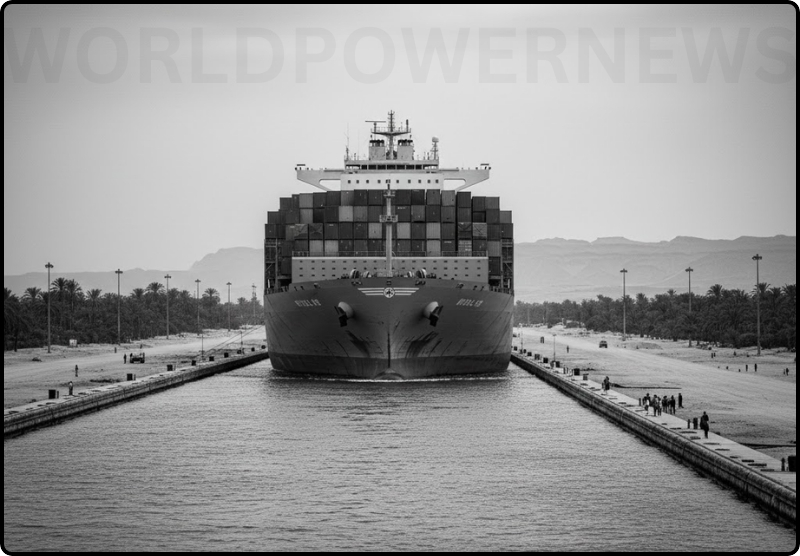
Did you know that about 12% of everything the entire world buys, sells, or builds travels through a single thin strip of water in the Egyptian desert? It’s a bit mind-blowing when you think about it. If that one narrow path gets blocked or becomes too risky to use, the cost of your morning coffee or that new smartphone could suddenly start creeping up.
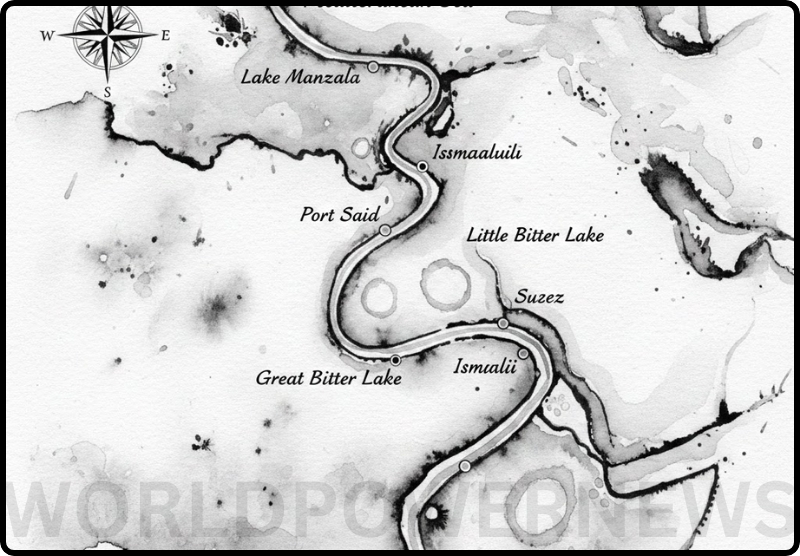
That’s exactly why the current situation of Suez canal is making so many headlines lately. For those of us just watching from the sidelines, it can feel like a complicated mess of global politics and shipping routes. But if we peel back the layers, it’s actually a fascinating story about how the world stays connected and what happens when those connections get frayed.
Understanding the History Behind the Crisis of Suez Canal
Before we look at the headlines of today, we have to talk about the History of Suez Canal to understand why it’s such a big deal. Back in 1869, when it first opened, it was basically the 19th-century version of a teleportation device. Suddenly, ships didn’t have to sail all the way around the bottom of Africa to get from Europe to Asia. It chopped weeks off the journey.
But because it was so useful, everyone wanted a piece of it. You might remember hearing about the 1956 Suez Crisis in history class. That was a huge moment where Egypt’s president decided to nationalize the canal, leading to a brief but intense conflict involving Britain, France, and Israel. It wasn’t just a local spat; it was a global showdown that changed how the world viewed international trade and power.
The canal has always been more than just a shortcut; it’s a pulse point for the global economy. Every time it closes—like it did for eight years after the 1967 war—the world feels the pinch. It’s like a main artery in the body of global commerce. When it’s flowing, everything is healthy; when it’s not, things start to get uncomfortable very quickly.
Current Status: Navigating the Crisis of Suez Canal in 2026
So, what is the current situation of Suez canal as we navigate through 2026? If you’ve been following the news over the last couple of years, you know it’s been a bit of a rollercoaster. For a while there, things were pretty quiet, but then tensions in the Red Sea started flaring up.
Because of security risks near the entrance of the canal, many of those massive container ships—the ones that look like floating skyscrapers—started taking the “long way” again. They began sailing around the Cape of Good Hope in Africa, just like they did 150 years ago. Can you imagine the extra fuel and time that takes? It adds about 10 to 14 days to a trip.
As of early 2026, we’re seeing a bit of a “cautious return.” Some of the big shipping giants, like Maersk and CMA CGM, are starting to test the waters again with specific vessels under naval protection. But it’s definitely not “business as usual” yet. Traffic is still lower than its peak, and insurance costs for these ships are through the roof. It’s a bit like driving through a construction zone; you can get through, but you’re going slow and looking over your shoulder.
Economic and Geopolitical Impacts of the Shipping Crisis
You might be wondering, How would effect Suez Canal under new geopolitical situation move the needle for us? Let’s break it down. We aren’t just talking about a few ships being late. When the canal is under pressure, it creates a domino effect.
First, there’s the cost. When ships take longer routes or pay higher insurance, that cost eventually lands on our doorstep. If it costs more to ship a container of sneakers, the price of those sneakers in the store goes up. It’s a very practical example of how a conflict thousands of miles away can hit your wallet.
Then there’s the “green” factor. Sailing all the way around Africa burns a massive amount of extra fuel. In a world trying to cut down on carbon emissions, these detours are a significant step backward. The Suez Canal is actually the most eco-friendly route for East-West trade because it’s the shortest. Keeping it safe is actually a win for the planet, too.
What do you think about the idea of “fragile” supply chains? The last few years have shown us that our global system is a bit like a house of cards. One disruption in a place like the Suez Canal, and the whole thing starts to wobble. It’s forcing countries and companies to think about building “backups”like new rail lines across Asia or even moving factories closer to home.
Leave a Reply