What if you woke up tomorrow and the entire geopolitical map of the Middle East had shifted overnight? It sounds like the plot of a high-stakes political thriller, but for anyone following the news lately, the “Operation in Iran” has turned that fiction into a very intense reality.
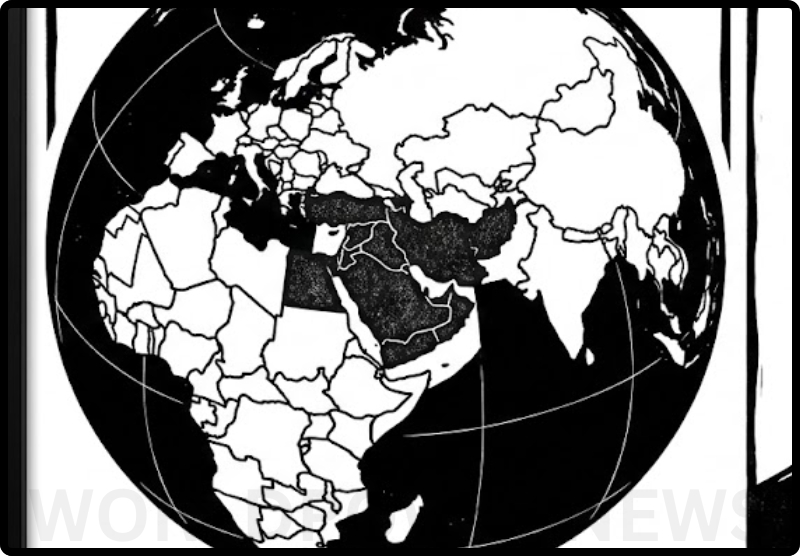
With the recent news confirming the death of Ayatollah Ali Khamenei following joint U.S. and Israeli strikes, the world is holding its breath. We aren’t just looking at a change in the news cycle; we are looking at the potential end of an era that has lasted nearly half a century. Naturally, the biggest question on everyone’s mind is: who will come to power after Ayatollah?
Let’s break it down, because the answer isn’t as simple as a standard line of succession. In a country where power is shared between clerics, the military, and shadowy committees, the “after” is looking a bit like a crowded chessboard.
The Top Three Supreme Leadership.
Ever since the news broke about the recent strikes and the vacuum left behind, the question of who will come to power after Ayatollah has moved from a “what if” scenario to an urgent reality. It’s like a high-stakes game of musical chairs, but the chairs are in a fortified room in Tehran.
The competition is fierce because, for the first time in decades, there isn’t a clear “heir apparent.” Let’s look at the three biggest names currently in the mix.
1. Alireza Arafi: The Institutional Insider.
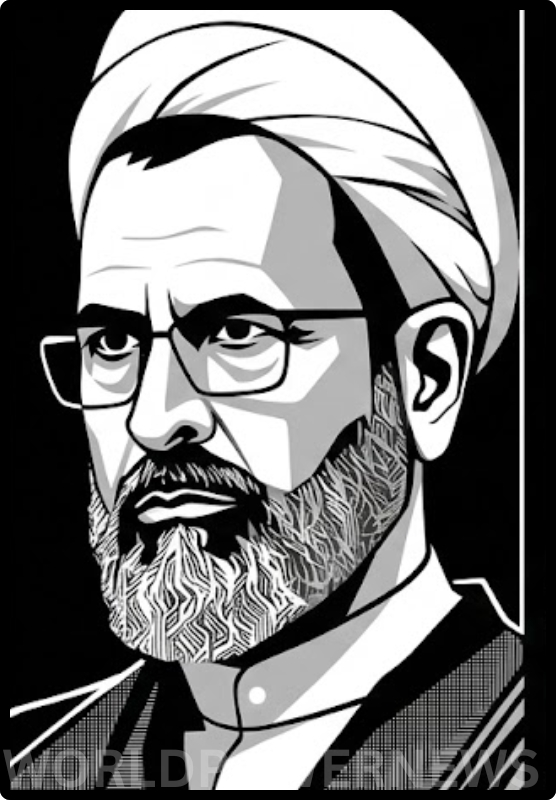
If you’re looking for the person who currently has their hand on the steering wheel, it’s Alireza Arafi. Right now, he is essentially the “acting” face of the regime as part of the Interim Leadership Council.
Arafi is a 67-year-old high-ranking cleric who has spent his life climbing the ranks of Iran’s religious bureaucracy. He isn’t just a priest; he’s an administrator. He’s headed the country’s entire seminary system and sits on the Guardian Council. For those within the regime who are terrified of total collapse, Arafi is the “safety” pick. He represents continuity and knows the system’s plumbing better than anyone. He’s a hardliner, for sure, but he’s viewed as a stable pair of hands.
2. Mojtaba Khamenei: The Shadow Prince.
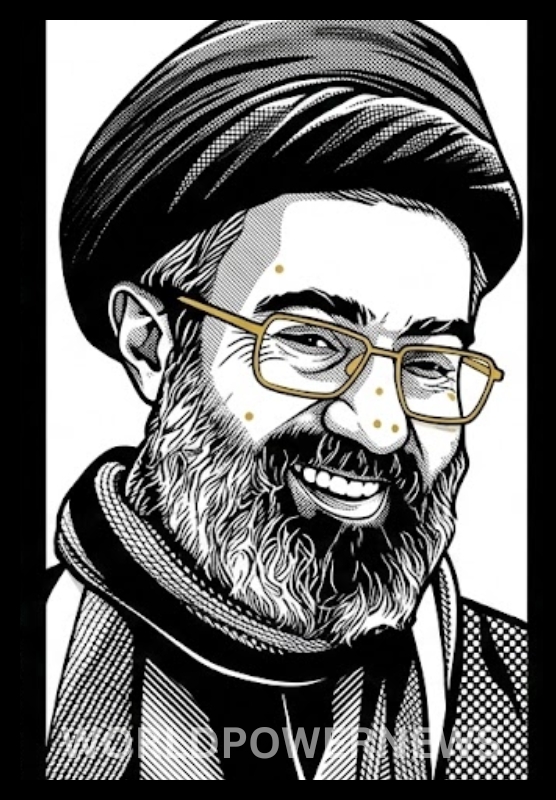
Then there’s the wildcard: Mojtaba Khamenei, the son of the late leader. For years, he’s been the man behind the curtain. While he doesn’t hold an official government title, his influence over the military capabilities of Iran—specifically the IRGC and the Basij militia—is legendary.
The big question with Mojtaba is whether the public (and other clerics) will accept a dynastic succession. The 1979 Revolution was all about getting rid of a monarchy, so making the son the new leader feels a bit “King-like” for a republic. However, Mojtaba has the backing of the security forces, and in the aftermath of Iran regime instability, the military might decide that “the son we know” is better than a cleric we don’t.
3. Gholam-Hossein Mohseni-Eje’i: The Enforcer.
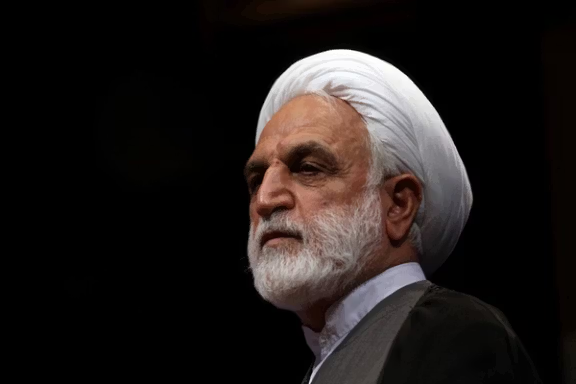
If the regime feels it needs to double down on internal security to survive the current chaos, they might look to Mohseni-Eje’i. As the current Chief Justice and a former Intelligence Minister, he is the ultimate “law and order” candidate.
He is a polarizing figure, known for his role in crushing previous protests. Within the inner circle, he’s seen as someone who won’t flinch when things get tough. If the Assembly of Experts decides that the top priority is preventing a revolution from within, Eje’i’s background in intelligence and the judiciary makes him a formidable contender for the top spot.
What do you think? Is Iran more likely to choose a “administrator” like Arafi, or will the “shadow power” of Mojtaba Khamenei take center stage?
The Immediate Power Vacuum.
In the short term, Iran isn’t actually “leaderless.” Their constitution has a built-in “break glass in case of emergency” plan. Right now, a temporary group called the Interim Leadership Council has stepped in. It’s made up of people you might not know by name, like President Masoud Pezeshkian and Chief Justice Gholam-Hossein Mohseni.
Think of them as the “designated drivers” of the state while the real decision-makers—an 88-member group of clerics called the Assembly of Experts—scramble to find a permanent replacement. But here’s the kicker: finding someone who can fill those shoes and keep the different factions from fighting each other is a monumental task.
Did you know that Khamenei’s own son, Mojtaba Khamenei, has been whispered about for years? However, the idea of a father-to-son handoff is a bit awkward for a regime that originally came to power by overthrowing a monarchy. It would be a tough sell to a public that is already out in the streets demanding change.
The Military Factor.
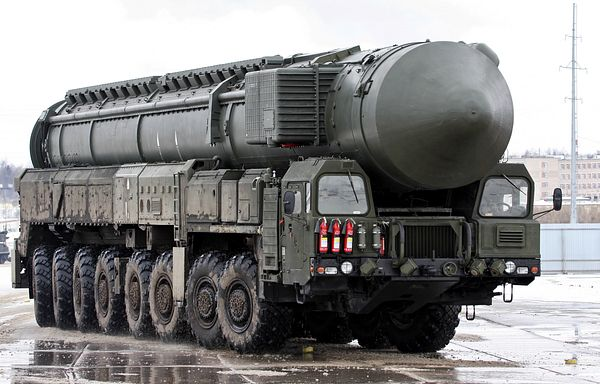
While the clerics are debating in Qom, we have to talk about the real muscle: the Islamic Revolutionary Guard Corps (IRGC). This is where the military capabilities of Iran come into play. The IRGC isn’t just a branch of the army; they are a massive business empire and a secondary government rolled into one.
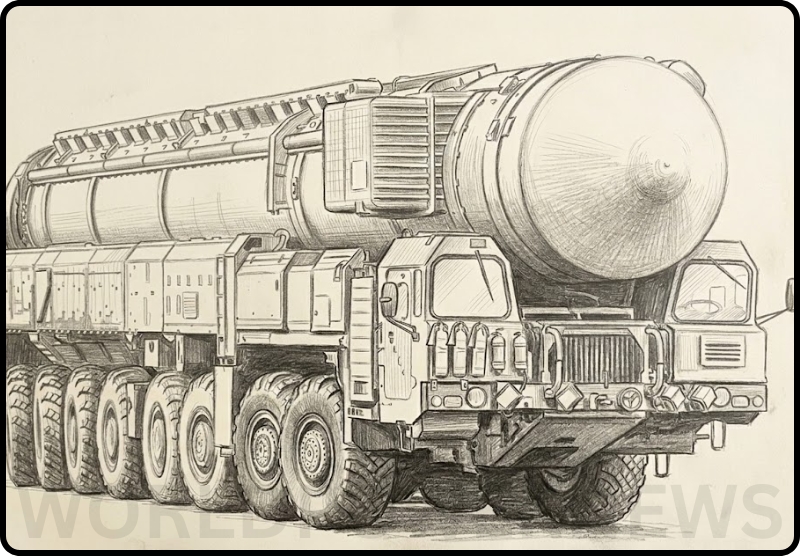
Even with the recent strikes degrading their command centers, the IRGC remains the lynchpin of the regime’s survival. They have spent decades building a “decentralized” system. This means that even if the head is cut off, the arms can still swing. Their arsenal of ballistic missiles and “low-cost, high-impact” drones are designed to be launched from mobile sites that are hard to hit all at once.
What do you think happens if the clerics can’t agree on a leader? Many analysts believe the IRGC might just stop waiting for a priest to tell them what to do. We could see a shift where Iran looks less like a theocracy and more like a military junta. In that scenario, the “Supreme Leader” might just become a figurehead while the generals call the shots.
The Aftermath of Iran Regime.
If the current system actually collapses under the weight of these operations, we enter the most unpredictable phase: the aftermath of Iran regime. This is the part that keeps diplomats up at night. On one hand, you have millions of young Iranians who are desperate for a normal life, a better economy, and more freedom. You’ve likely seen the videos of celebrations in the streets—that’s a real, powerful hunger for change.
But on the other hand, a sudden collapse can be messy. When a central power disappears, it often leaves a “power vacuum” that can lead to internal chaos. There’s a risk of different provinces or ethnic groups trying to pull away, or even worse, a civil struggle between regime die-hards and the general population.+1
The global impact is already being felt at the gas pump. Iran’s move to restrict the Strait of Hormuz—where about 20% of the world’s oil flows—has sent energy prices on a rollercoaster. It’s a classic move from their playbook: “If we go down, we’re taking the global economy’s stability with us.”+1
What Lies Ahead?
So, where does this leave us? We are essentially watching a 45-year-old engine try to stay running while several of its key parts have been removed. Whether a moderate like Hassan Khomeini (the grandson of the original Ayatollah) can bridge the gap, or if a hardline cleric like Alireza Arafi takes the reins, the Iran of next year will look nothing like the Iran of last year.
It’s a moment of both immense hope and significant danger. The “Operation in Iran” wasn’t just a military strike; it was a catalyst for a total transformation of the region. We are witnessing history in real-time, and while the path forward is blurry, the old status quo is definitely gone for good.
What do you think is the most likely outcome—a new face for the old system, or a total transformation led by the people?
Leave a Reply